Florida's New Workforce Credentials for Autism: What Parents Need to Know in 2026
If you're raising a teen or young adult with autism in Florida, you've probably asked yourself the same question we've heard from countless families: "What happens after high school?" The transition from school to work can feel overwhelming, especially when traditional diplomas don't always capture your child's real-world capabilities. But this year brings some genuinely exciting news for Florida families.
The state just launched a brand-new workforce credential program specifically designed for high school students with autism spectrum disorder, and it could be a game-changer for your child's employment future.
What's Changing in Florida (and Why It Matters)
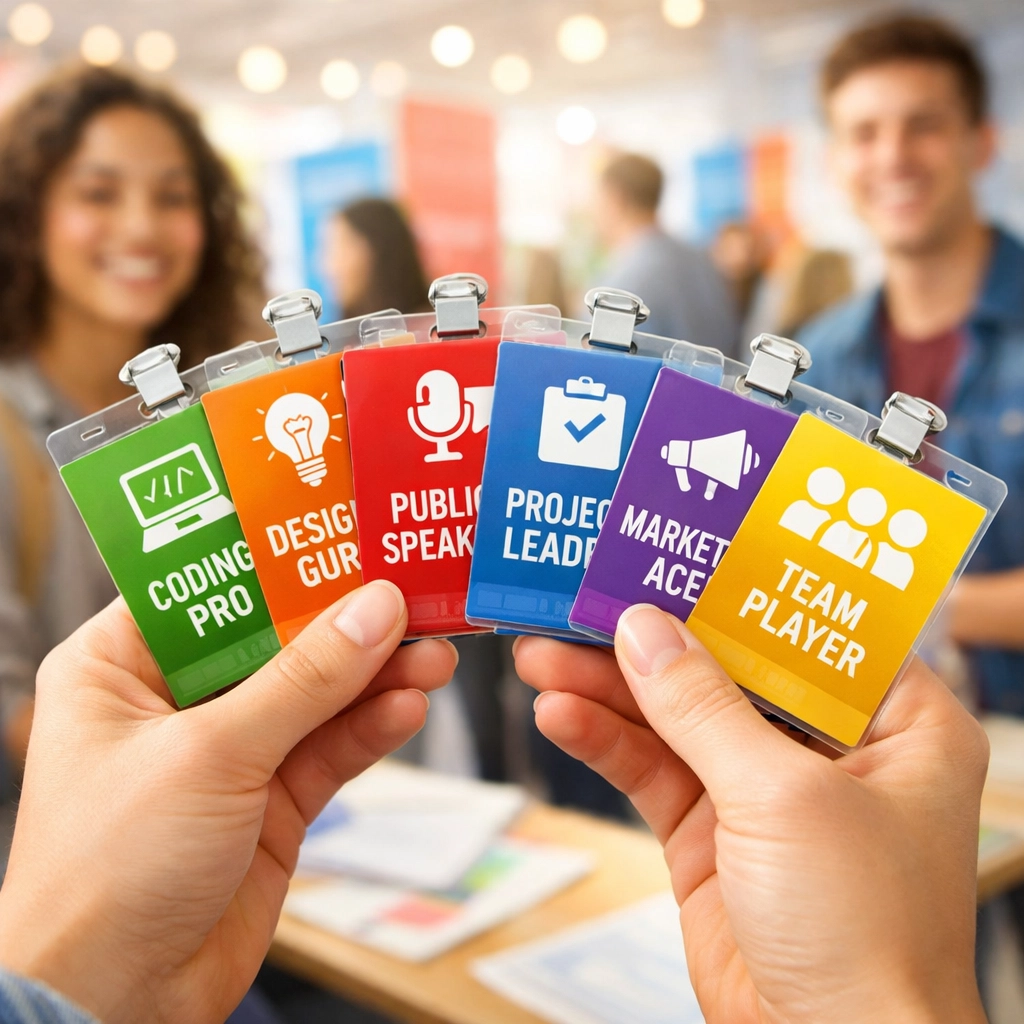
As of January 2026, Florida has officially rolled out a badge-based certification system that helps students with autism earn employment-ready credentials before they graduate. This isn't just another piece of paper to file away. These are stackable, employer-recognized badges that prove your child has mastered specific skills that businesses actually need.
Think of it as a career passport. Instead of employers wondering, "Can this person handle our workplace?" they'll see clear evidence: "Yes, this candidate has demonstrated workplace safety protocols, customer service skills, inventory management," or whatever badges your child has earned.

For families navigating an autism life skills program or autism vocational training program, this is huge. We're finally seeing a credential system that meets students where they are, celebrates what they can do, and speaks the language employers understand.
How the Badge System Actually Works
Here's what you need to know about how your child can earn these credentials:
Each badge represents real mastery. To earn a badge, students must demonstrate five discrete skills or behaviors related to that area. This isn't a one-and-done test, it's about showing consistent competency in real-world situations.
Workplace safety comes first. The state is developing a foundational workplace safety badge in partnership with the Occupational Safety and Health Administration (OSHA). This addresses one of the biggest concerns employers have when hiring individuals with autism: ensuring everyone understands and follows safety protocols. With an OSHA-backed credential, your child immediately becomes a more confident hire.
Badges are validated by experts. Two instructional staff members who specialize in exceptional student education must validate each badge. This ensures quality, credibility, and consistency across the state. Employers can trust that these badges mean something.
It's designed for employment, not just enrichment. The entire program exists with one clear goal: helping students secure jobs after graduation. Every badge ties directly to skills employers have said they need.

What Kinds of Badges Can Students Earn?
While the program is still rolling out across Florida's 67 school districts, we're seeing badges emerging in areas like:
Workplace safety and OSHA compliance
Customer service and communication
Food service and hospitality skills
Retail and inventory management
Office skills and technology use
Transportation and logistics awareness
Teamwork and collaboration
Your child doesn't need to earn every badge, the beauty of this system is that it's personalized. If your teen excels at organization but struggles with customer-facing roles, they can focus on badges that highlight their strengths. If they thrive in social environments, customer service badges might be their superpower.
This flexibility means students on modified curricula, including those still working toward a formal autism diagnosis, can participate fully.
How Good Days Prepares Students for These Credentials
At Good Days Adolescent Special Needs Center, we've been building toward this moment for years. Our entire autism life skills program is designed around the same principle that drives Florida's new credential system: real skills, real practice, real independence.
Our Vocational Training Approach
We don't just talk about workplace skills, we practice them daily. Our autism vocational training program includes:
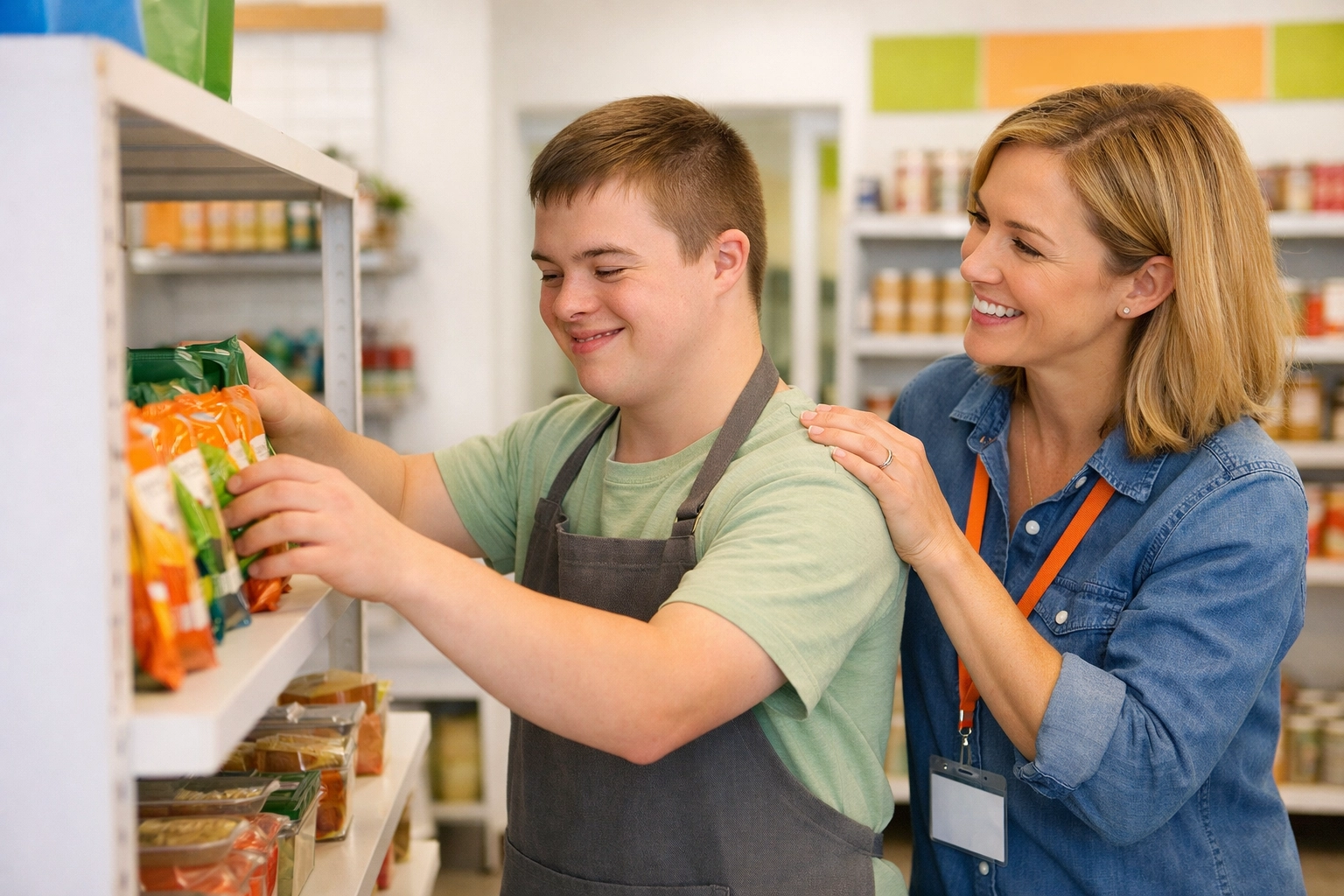
Hands-on job simulation in environments that mirror actual workplaces
Repetition and routine-building that helps skills stick
Social skills coaching for workplace interactions
Problem-solving practice for real-world challenges
Time management and task completion training
When your child participates in our program, they're not just learning abstract concepts. They're stocking shelves, following recipes, organizing materials, communicating with peers and instructors, and managing their own schedules. These are the exact behaviors that badge validators will be looking for.
Building the Foundation for Badge Success
Because each badge requires demonstrating five discrete skills consistently, we focus on breaking down complex tasks into manageable steps. If "workplace safety" is the goal, we practice everything from identifying hazards to using equipment properly to asking for help when needed, over and over until it becomes second nature.
Our instructors, many of whom have backgrounds in exceptional student education, understand how to document progress in ways that align with what badge validators need to see. We're not just preparing your child for badges; we're helping them build the confidence and competence that makes earning those badges feel achievable.
What Parents Should Do Right Now
If your teen is still in high school or approaching transition age, here's how to take advantage of this new program:
1. Contact your school district immediately. Ask if they're participating in the badge program and which badges they're offering. Implementation is happening across the state, but timelines may vary by district.
2. Request an IEP meeting if needed. Make sure your child's Individualized Education Program includes goals that align with badge-earning opportunities. Your child's transition plan should explicitly mention workforce credentials.
3. Connect with the Florida Department of Education. They're working with the Florida Center for Students with Unique Abilities to expand the program. If your district isn't participating yet, expressing parent interest can speed things up.
4. Look for complementary support. Programs like ours at Good Days can supplement what's happening in school, giving your child extra practice and confidence-building in a supportive environment.
5. Keep records of everything. Document your child's skill development, even outside school. If they're demonstrating workplace-relevant skills at home, during community activities, or in programs like ours, keep notes. This evidence can support badge validation down the road.
Why This Matters Beyond the Badges
Yes, these credentials will help your child get hired. But there's something even more powerful happening here: Florida is finally recognizing that students with autism have valuable, marketable skills: and that those skills deserve formal acknowledgment.
For too long, young adults with autism have been underestimated and underemployed, not because they lack ability, but because they lack the right credentials and the right opportunities to demonstrate what they can do. This badge system changes that conversation.
When your child walks into a job interview with workplace safety certification, customer service badges, and documented evidence of reliability and skill mastery, they're no longer the "risk" that some employers perceive. They're the prepared, qualified candidate who just proved they take professional development seriously.
Looking Ahead: What We're Watching
The Florida Department of Education will be submitting annual reports through 2030, tracking which badges are most popular, how many students participate, and: most importantly: post-graduation employment outcomes. We'll be paying close attention to this data, and we encourage you to do the same.
As the program evolves, we expect to see:
More specialized badges emerging in industries actively hiring in Southwest Florida
Partnerships between schools and local employers who recognize these credentials
Success stories that prove what we've always known: your child has so much to offer

We're Here to Help
The transition from school to work doesn't have to feel impossible. With Florida's new credential system and the right support, your child can build a resume that showcases their strengths, opens doors, and leads to meaningful employment.
At Good Days Adolescent Special Needs Center, we're not just preparing students for badges: we're preparing them for life. Our individualized, integrated autism life skills program gives young adults the daily practice, real-world experience, and confidence they need to thrive in workplace environments.
If you're navigating your child's transition journey and want to talk about how we can support them, and you, we'd love to hear from you. Together, we can help your child earn the credentials, build the skills, and find the independence they deserve.
The future just got a little brighter for Florida families. Let's make the most of it.


Comments